Understanding E-Waste: Common Myths and Facts About Recycling
Electronic waste is an increasing problem in the modern digital era. Numerous individuals harbor misunderstandings about the recycling process. Widespread assumptions indicate that electronic waste is unrecyclable or that options for disposal are scarce. These false beliefs can obstruct recycling initiatives and intensify ecological damage. Understanding the realities of e-waste management is essential. How does e-waste truly affect the environment, and what steps can individuals take toward a more sustainable tomorrow? Examining these concerns uncovers important findings.
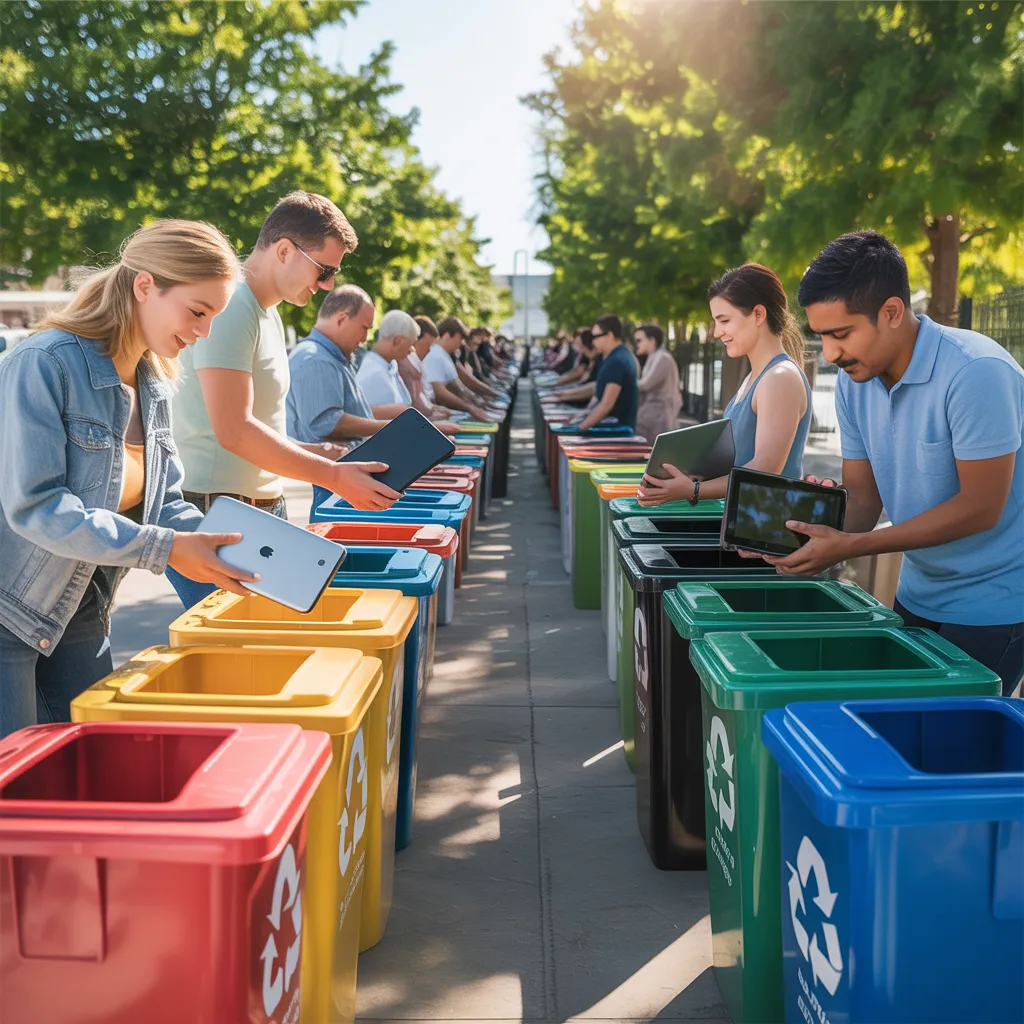
Understanding E-Waste: What It Is and How to Dispose of It Responsibly
E-waste, or electronic waste, refers to unwanted electrical equipment such as computers, mobile phones, and televisions. This Check it out classification of waste is expanding quickly owing to the swift progression of technological innovation, resulting in considerable environmental challenges. Many electronic devices contain hazardous materials such as lead, mercury, and cadmium, that can threaten both human well-being and surrounding ecosystems when handled through improper disposal methods.
Proper management of electronic waste requires recycling via certified programs that ensure safe handling and processing. Various local and national organizations offer collection events, drop-off centers, and mail-in recycling options. Customers are urged to seek out certification labels, including R2 or e-Stewards, to ensure their electronic waste is disposed of in a responsible manner. In addition, donating functioning devices can extend their life cycle while reducing waste. By understanding e-waste and following proper disposal methods, individuals can contribute to a more sustainable future and mitigate environmental impacts.
Debunking Myths About E-Waste Recycling
In what ways do common misconceptions about e-waste recycling impede effective disposal practices? Misconceptions about e-waste recycling frequently result in improper disposal methods, ultimately worsening the situation. A common myth is that all e-waste can be recycled, which may encourage complacency. The truth is that not all components can be efficiently processed, and some necessitate specialized handling. Another common belief is that recycling e-waste is excessively complicated or costly, preventing individuals from getting involved. As a matter of fact, a great many communities make available accessible and cost-free recycling programs. Additionally, the belief that e-waste simply ends up in landfills undermines the significant efforts of recycling organizations that prioritize responsible processing. Such misconceptions not only mislead the public but also obstruct the collective effort required to manage e-waste sustainably. Addressing and debunking these misconceptions is essential for fostering responsible consumer behavior and enhancing the overall effectiveness of e-waste recycling initiatives.
What Are the Environmental Consequences of Not Recycling E-Waste
Neglecting to recycle electronic waste presents serious dangers to the environment. When electronics are disposed of incorrectly, toxic substances including lead, mercury, and cadmium can leach into soil and water systems, causing significant ecological contamination. These harmful materials endanger both wildlife and human health, disrupting ecosystems and contaminating food sources.
Moreover, the growing presence of e-waste in landfills accelerates the erosion of natural resources. Valuable metals and materials that could be recovered and reused are lost, amplifying the demand for new mining operations, which additionally degrades the environment. In addition, the carbon footprint associated with manufacturing new electronics is compounded, as raw materials are sourced and manufactured.
Effective Techniques for Recycling Your Old Electronics
Considering handling the disposal of aging electronics, there are multiple viable solutions for consumers. Regional recycling facilities often provide secure methods for disposal, guaranteeing that components are handled in an environmentally sound manner. In addition, donation opportunities can extend the life of usable devices while benefiting those in need.
Neighborhood Recycling Efforts
A growing number of communities offer community-based recycling initiatives tailored to address the responsible handling of outdated electronic equipment. These programs aim to reduce digital waste by offering convenient drop-off points and planned pickup events. Homeowners can frequently locate information on qualifying items, making certain that harmful substances are responsibly controlled. Local recycling initiatives may partner with certified e-waste recyclers, who comply with ecological guidelines to retrieve precious materials and properly handle toxic components. Some programs also offer incentives, including reduced pricing on replacement devices, to promote community involvement. By making use of these neighborhood resources, individuals can contribute to environmental sustainability while making certain their used electronics are handled in a secure and thorough way. Understanding these opportunities is critical for conscientious electronic waste handling.
Charitable Donation Options
Community recycling initiatives not only offer a method for appropriate disposal but also generate opportunities for contributing used electronics. Many organizations accept functioning devices, such as computers, smartphones, and tablets, which can be repurposed for educational or charitable use. Schools, charitable organizations, and community facilities regularly embrace such donations, making certain that essential technology gets to individuals in need. Furthermore, certain manufacturers and retailers provide trade-in initiatives, enabling people to swap outdated devices for store credit, which encourages environmentally responsible practices. It is important to investigate nearby alternatives and confirm that the accepting organization adheres to ethical recycling standards. By contributing rather than disposing, people can prolong the useful life of electronics while addressing their community's technology requirements.
How Recycling E-Waste Can Benefit You and the Environment
Though frequently underappreciated, e-waste recycling provides significant advantages for both households and the ecosystem. By correctly processing e-waste, individuals can guarantee that precious resources, such as metals and plastics, are extracted and reintegrated, decreasing the reliance on raw material extraction. This not only preserves our natural reserves but also limits harmful emissions associated with industrial and processing operations.
In addition, recycling e-waste works to prevent hazardous substances, such as lead and mercury, from contaminating soil and water sources. By redirecting e-waste away from landfills, local communities can minimize significant health dangers to both humans and wildlife.
Moreover, engaging in e-waste recycling can create economic opportunities, as the recycling industry creates employment and revitalizes local economies. In the end, proper e-waste disposal encourages a more sustainable tomorrow, enhancing public health, the ecosystem, and the economy alike. Acknowledging these merits can encourage more community members to engage in e-waste recycling programs.
How to Locate Local E-Waste Recycling Programs
How can individuals locate e-waste recycling programs in their area? A variety of resources are available to assist in this endeavor. Local governments often maintain websites listing authorized recycling facilities. These sites typically include details on accepted materials and any associated fees. In addition, organizations such as Earth911 provide searchable databases, allowing users to find nearby e-waste drop-off locations by entering their zip codes.
Community events, such as electronic waste collection drives, are regularly arranged by city authorities or charitable organizations, providing accessible solutions for proper waste management. Consumer electronics shops may also participate in recycling initiatives, collecting old electronics for proper processing. Additionally, government environmental bodies often provide direction on digital waste disposal and can refer residents to reputable waste management services. By leveraging these available tools, consumers can be certain their digital waste is managed sustainably, fostering long-term environmental health.
Popular Questions Answered
Should E-Waste Be Repaired Rather Than Recycled?
E-scrap is frequently repairable as an alternative to recycling, based on the device's condition and availability of parts. Repairing prolongs the lifespan of the item and reduces environmental impact, serving as a green substitute for standard recycling practices.
Which Types of Electronics Are Classified as E-Waste?
E-scrap includes obsolete electronics including tablets, computers, smartphones, printers, televisions, and appliances. These electronics frequently contain dangerous materials, making their proper disposal and recycling essential to safeguard the environment and public health.
Are There Legal Requirements Governing E-Waste Disposal?
Absolutely, there are legal regulations overseeing e-waste disposal. Several regions and nations introduce laws to guarantee responsible recycling and disposal, aiming to minimize environmental impact and support responsible administration of discarded electronics through defined guidelines and protocols.
How Do I Properly Store E-Waste Before Taking It to Recycling?
To safely store e-waste before recycling, it is recommended that individuals keep their devices in a cool, dry area, disconnect power sources, and utilize durable containers to avoid damage. Label items clearly to guarantee proper disposal later.
What Certifications Should I Seek When Choosing E-Waste Recyclers?
When evaluating e-waste recyclers, consumers should check for certifications like R2 (Responsible Recycling Certification), e-Stewards, and ISO 14001. These credentials guarantee conformance to environmental guidelines and responsible handling of electronic waste during the entire recycling process.